Acute Pericarditis
Two of four criteria makes the diagnosis. Colchicine reduces recurrence in half.
Pathophysiology
Acute pericarditis reflects inflammation of the visceral and parietal pericardial layers, most often idiopathic or presumed viral in developed countries, producing the pathognomonic friction rub as the inflamed surfaces move against each other. Recurrent disease is thought to be driven by an autoimmune/autoinflammatory mechanism rather than persistent infection, which is why immunomodulatory therapy targeting interleukin-1 is effective in refractory cases. Pericardial inflammation can also produce a reactive effusion, and when fluid accumulates faster than the pericardium can stretch, intrapericardial pressure rises and compresses cardiac chambers.
Diagnosis
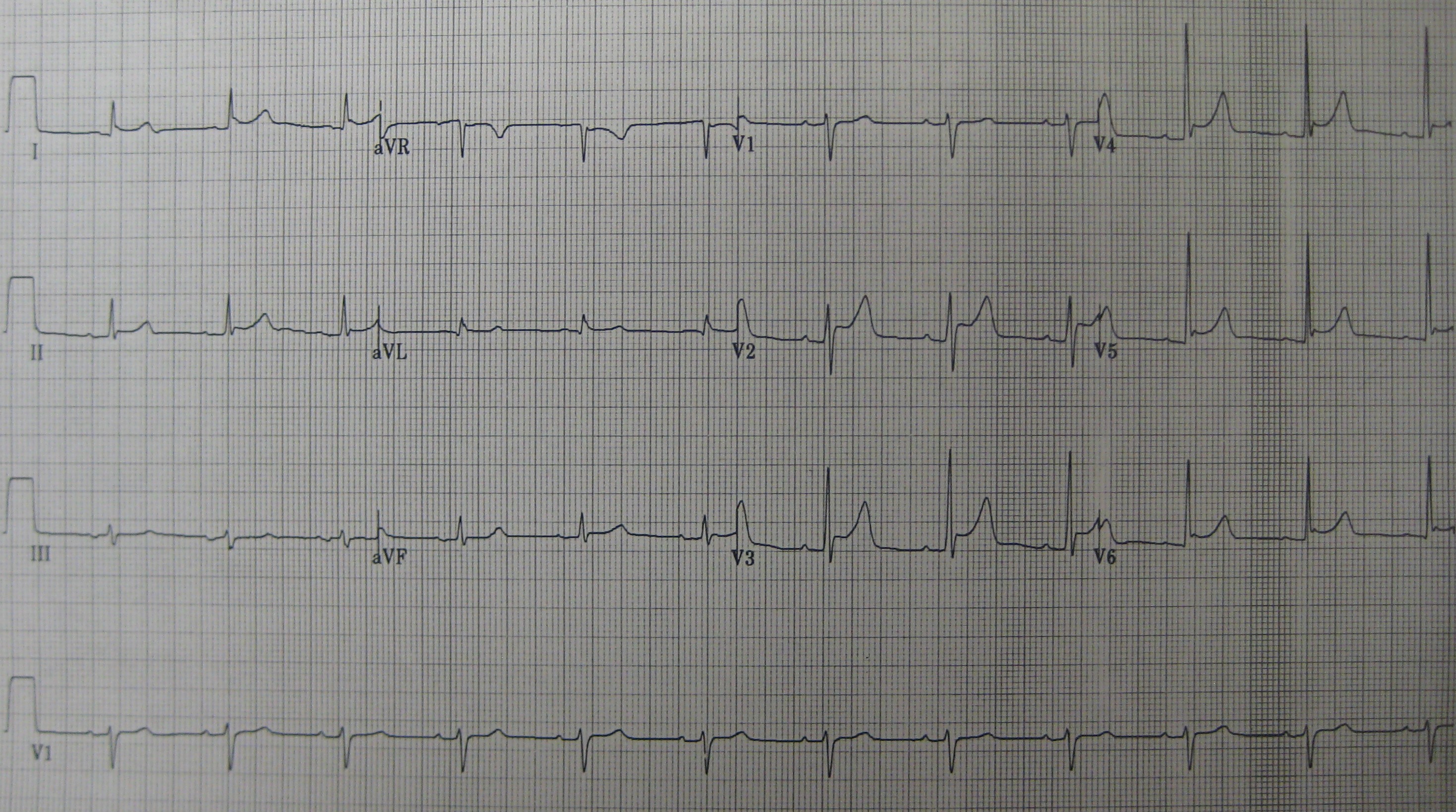 Two of four: (1) sharp/pleuritic chest pain worse supine, better sitting forward; (2) pericardial rub; (3) new diffuse ST elevation or PR depression; (4) new/worsening effusion.
Etiology
Idiopathic/viral, post-MI (Dressler — days 2–5 or weeks 1–4), post-cardiac surgery, malignancy, autoimmune, uremia, TB. Bacterial rare but rapidly fatal.
Treatment
NSAIDs (ibuprofen 600–800 mg TID or ASA 750–1000 mg TID) + colchicine 0.5 mg BID (0.5 mg daily if <70 kg) for 3 months. Steroids only if NSAID/colchicine failure — associated with increased recurrence.
Prognostic Factors
Poor: fever >38°C, subacute onset, large effusion (>20 mm), tamponade, immunosuppression, oral anticoagulation, trauma, elevated troponin (myopericarditis), NSAID failure. Admit if any present.
Recurrent Pericarditis and Colchicine
Colchicine added to NSAIDs for the initial episode roughly halves the rate of recurrence and is now standard first-line therapy, not just for recurrent disease. Corticosteroids should generally be avoided as first-line treatment since they increase the risk of a subsequent recurrence once tapered.
Clinical pearls
·
Myopericarditis: avoid vigorous exercise for 6 months due to arrhythmia risk. Do not use as evidence for coronary intervention.
·
Recurrent pericarditis: anakinra (IL-1 inhibitor) is highly effective for colchicine-refractory cases.
·
NSAIDs plus colchicine are first-line therapy for acute pericarditis (Class I); colchicine should be continued for several weeks after symptom resolution to reduce recurrence risk.
·
Poor prognostic features (fever >38°C, subacute onset, large effusion or tamponade, or failure to respond to NSAIDs within a week) should prompt evaluation for a specific non-idiopathic etiology and consideration of hospitalization.
·
Corticosteroids should be avoided as first-line therapy for acute pericarditis because they are associated with a higher rate of recurrence; if required, low-to-moderate dose with a slow taper is preferred.