Back to curriculum
Domain

Atrial Fibrillation

Modules

Stroke Prevention

CHA₂DS₂-VASc drives the decision. DOACs preferred over warfarin for non-valvular AF.

Mechanism of Thromboembolism in AF

Virchow's triad in the fibrillating atriumStasis — LAA, low flowEndothelial dysfunctionHypercoagulable state

Loss of coordinated atrial contraction during fibrillation causes blood stasis in the left atrial appendage (LAA), the trabeculated, low-flow chamber where most non-valvular AF thrombi originate. Stasis combines with an underlying atrial cardiomyopathy — endothelial dysfunction and a pro-inflammatory, pro-fibrotic atrial substrate — to satisfy the components of Virchow's triad. Thrombus that forms in the LAA can embolize systemically, most often to the cerebral circulation, producing the cardioembolic strokes that anticoagulation is designed to prevent. Notably, stroke risk correlates poorly with AF burden or symptom pattern, which is why risk scores rather than rhythm status guide anticoagulation decisions.

CHA₂DS₂-VASc
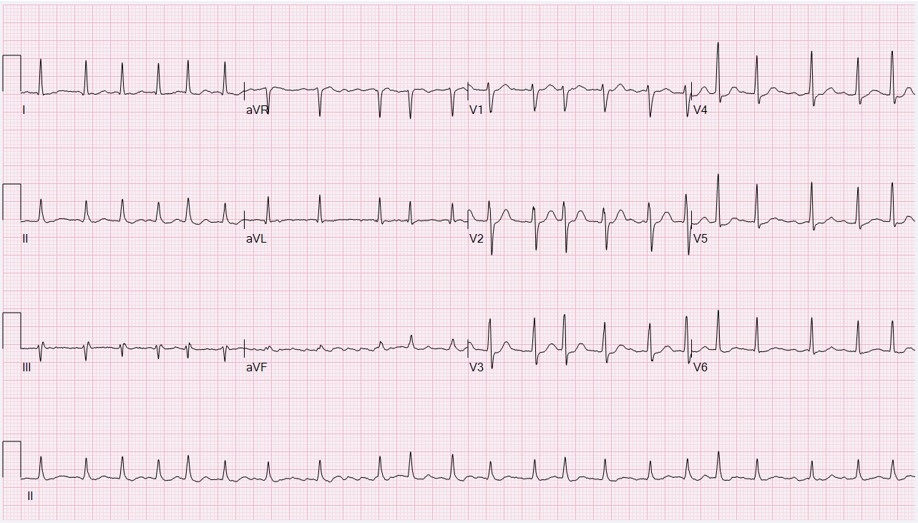
FactorPointsCongestive heart failure / LV dysfunction1Hypertension1Age ≥752Diabetes mellitus1Prior stroke / TIA / thromboembolism2Vascular disease (MI, PAD, aortic plaque)1Age 65–741Sex category (female, if any other factor present) adds 1 — anticoagulate at ≥2 (men) or ≥3 (women)ECG showing atrial fibrillation (Wikimedia Commons, CC BY-SA 4.0)CHF, HTN, Age ≥75 (2), DM, Stroke/TIA (2), Vascular disease, Age 65–74, Sex female (if other risk factors present). Score ≥2 men or ≥3 women → anticoagulation.

DOAC Selection

Apixaban, dabigatran, edoxaban, rivaroxaban — all class I over warfarin for non-valvular AF. Warfarin remains standard for mechanical valves and moderate-severe mitral stenosis.

Bleeding Risk

HAS-BLED identifies modifiable factors but does not disqualify anticoagulation.

LAA Occlusion

Watchman FLX or Amplatzer Amulet for high stroke risk with contraindication to long-term anticoagulation.

Special Populations: Renal Impairment and Valvular AF

Direct oral anticoagulants are preferred over warfarin in most non-valvular AF, but warfarin remains standard for mechanical prosthetic valves and moderate-to-severe mitral stenosis, where DOACs have shown harm. Dose reduction or avoidance is needed at the lower end of the renal function spectrum, and dialysis-dependent patients require individualized decision-making given limited trial data.
Clinical pearls
·
Idarucizumab reverses dabigatran; andexanet alfa reverses factor Xa inhibitors — 4-factor PCC alternative when specific reversal unavailable.
·
Apixaban dose reduction (2.5 mg BID) requires meeting 2 of 3 criteria: age ≥80, weight ≤60 kg, or creatinine ≥1.5 mg/dL — meeting only one does not trigger reduction.
·
A CHA₂DS₂-VASc score of 0 in men (or 1 in women, driven only by sex) confers low enough stroke risk that anticoagulation is generally not recommended.
·
DOACs are contraindicated in mechanical heart valves and moderate-to-severe mitral stenosis, where warfarin remains standard of care.
Related guidelines
TropOnTop — Cardiology Study Platform